
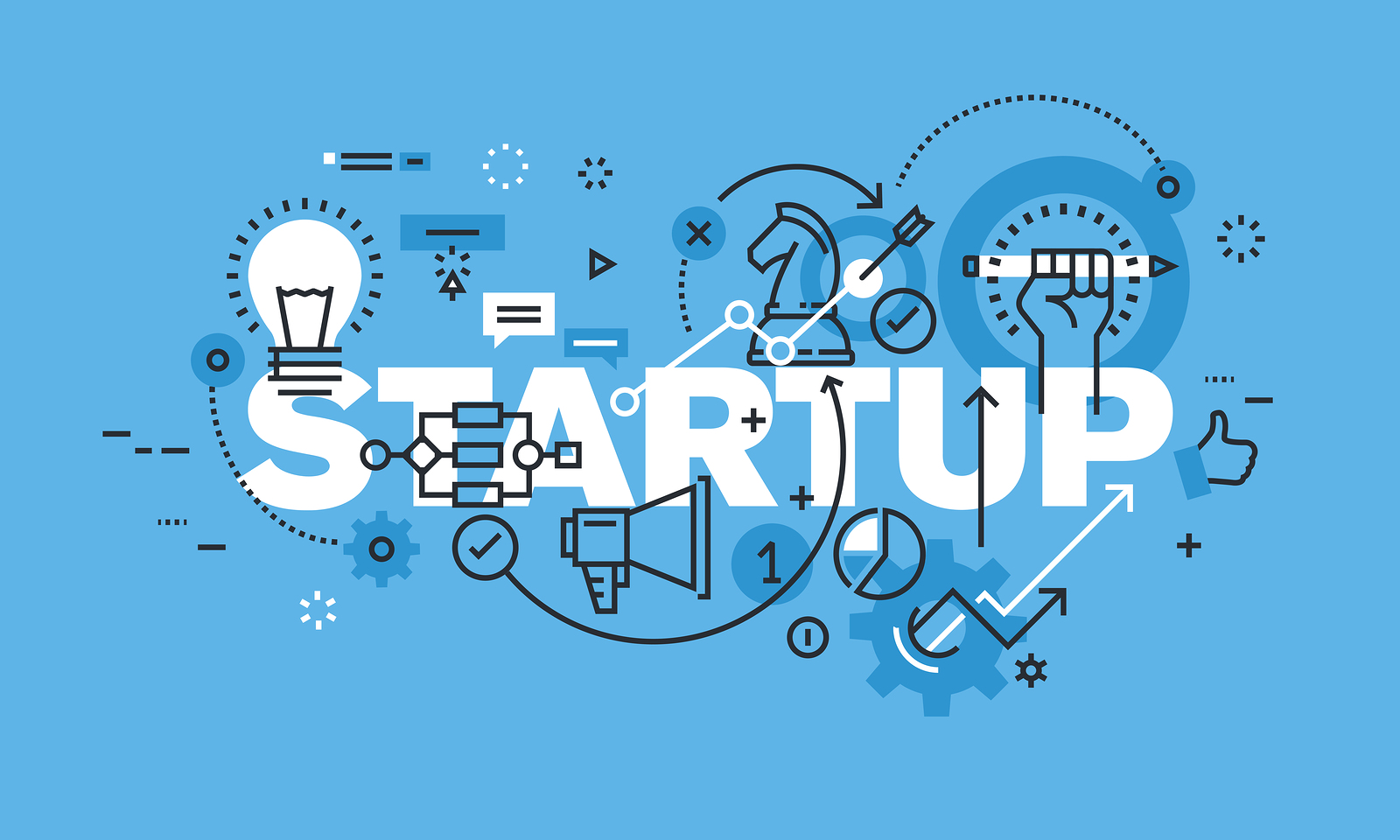
Every great company once started as a simple idea — a spark of inspiration that someone decided to act on. But turning that idea into a successful startup is a journey filled with creativity, challenges, and learning. Let’s look at how startups transform dreams into reality, step by step.
1️⃣ It All Starts with an Idea
Every startup begins with identifying a problem or a gap in the market. Great founders focus on solving real-life issues — something people actually need.
💭 Example: Uber started with a simple question — “Why can’t booking a cab be as easy as pressing a button?”
2️⃣ Research and Validation
Before building anything, successful founders validate their idea. This means talking to potential users, doing surveys, studying competitors, and making sure the problem is worth solving.
Tip: Always ask — “Will people pay for this solution?”
3️⃣ Building a Minimum Viable Product (MVP)
An MVP is a simplified version of your product — just enough to test your idea in the real world. Instead of waiting for perfection, startups launch small and improve based on feedback.
🚀 Example: Instagram first launched as a photo-sharing app called Burbn before focusing only on pictures.
4️⃣ Gathering Feedback and Iterating
Once the MVP is out, users’ feedback becomes gold. Startups use it to fix bugs, add features, and improve the overall experience.
💡 Remember: The best products are built with users, not just for them.
5️⃣ Finding the Right Team
Behind every great startup is a team that believes in the vision. A mix of skills — developers, designers, marketers, and strategists — turns the idea into something real and scalable.
6️⃣ Funding and Growth
At some point, most startups need money to grow. This could come from bootstrapping, angel investors, or venture capital.
Smart startups don’t just chase funding — they build something valuable first.
7️⃣ Launching and Marketing
This is the exciting part! The startup goes live — through websites, social media, and PR campaigns. But the real work begins after launch: attracting users, improving continuously, and building brand trust.
8️⃣ Learning, Adapting, and Scaling
Not every startup succeeds immediately. Many pivot (change direction) based on what works best. The key is adaptability, learning fast, and never giving up.
✨ Conclusion
Turning a dream into a startup isn’t about luck — it’s about passion, planning, and persistence. Every big company you see today started with someone daring to take the first step.
So if you have an idea — start small, learn fast, and believe in your vision. You never know — your dream might just be the next big thing. 🚀
Really inspiring.
It’s good and interesting